
📊
Digital Marketing Strategies Tailored for SaaS
While the essentials do not change, digital marketing perspectives vary by industry, and this also applies to SaaS businesses. Chosen platforms, metrics, and the vision behind campaigns all differ. For example, avoiding churn and reminding existing customers about the SaaS can be as important as acquiring new clients.
Because SaaS products are usually used directly by users as applications, custom tiers and tailored offers may increase conversion rates. However, these are often harder to track compared to e-commerce.
SaaS Business Model Advantages for Digital Marketing
Product Cost & Profitability
SaaS software can be costly at the beginning, but once created, if it does not rely on heavy or expensive resources, profit margins are usually high. There are no shipping costs like physical products. This profitability creates room for higher digital marketing budgets and allows more tolerance for cost per conversion.
Backlink Building
SaaS listings and news sites can be strong resources for SaaS businesses. SaaS comparison sites are also effective for building credibility, especially when user feedback is positive and well managed. This advantage usually does not exist for traditional e-commerce or brick-and-mortar businesses.
SaaS Business Model Disadvantages for Digital Marketing
Difficult to Understand
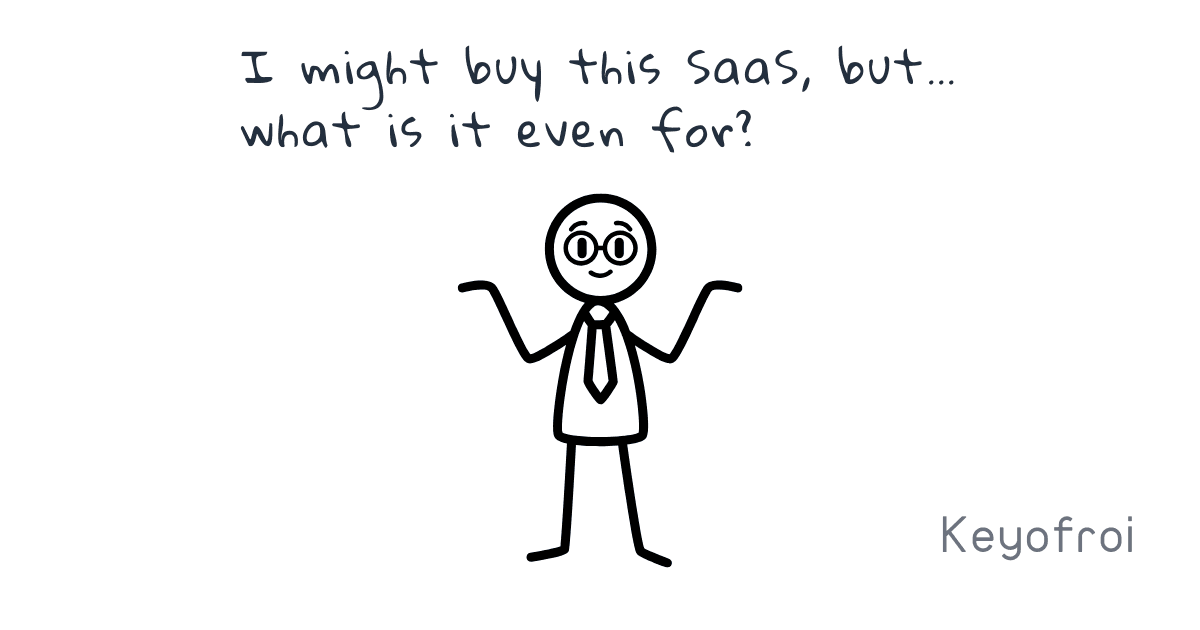
Most SaaS products have unique features and solve specific problems. If the product is not very common (like a social media scheduler or backlink checker), potential customers may not fully understand what the tool does when they land on the website, and they may leave quickly. This leads to wasted marketing spend.
For example, an e-commerce business selling t-shirts, tables, or umbrellas does not need to explain what the product is. The focus is on quality, price, and value. SaaS businesses, on the other hand, often need to explain what they do before they can even sell.
Free Alternatives & AI Alternatives
Unlike physical products, almost every SaaS tool has free alternatives or AI-based options. While these tools may not offer the same functionality, many users still solve their problems without paying. This makes conversion more challenging.
How to Promote a SaaS Business with Digital Marketing
In this section, we will cover platforms and techniques that work well for SaaS, without listing every digital marketing method.
Google Search Ads
Since SaaS products solve specific problems, Google Search Ads can be a strong starting point with correct keyword targeting. Search term reports also provide valuable insights into user intent.
Tips for Search Ads
Avoiding Competitor Ads
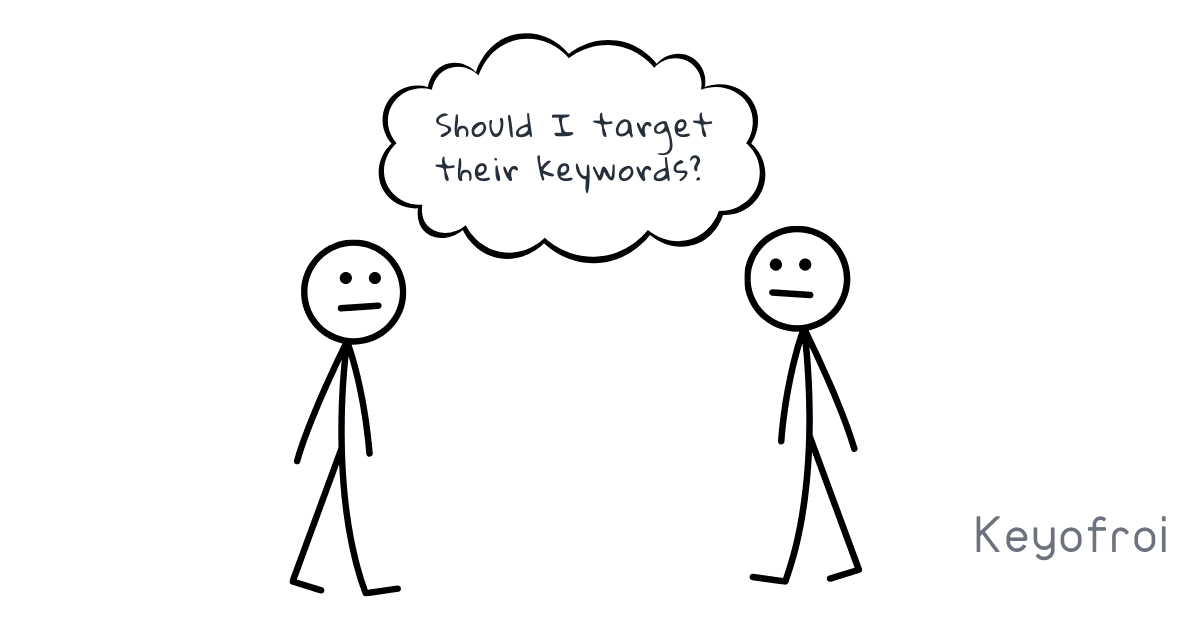
Even if a SaaS company does not intentionally target competitors, ads may still appear on competitor keywords due to keyword overlap and semantic matching.
Competitor ads come with several risks:
Legal risks: In some countries or industries, bidding on competitor keywords may not be allowed. If local regulations prohibit this, competitor terms should be excluded.
Competitors bidding back: Competitors can also bid on brand keywords, increasing competition and ad spend.
Quality Score & high CPC: Users searching for a competitor are less likely to click or convert. This can lower Quality Score and increase cost per click.
Low conversion rate: Even if users click, they often do not convert, leading to low ROI.
So why do some companies still use competitor ads?
Taking advantage of industry giants:
When users search for well-known tools, it can be an opportunity to introduce an alternative. If there is a strong price advantage, this may influence some buyers. However, in most cases, targeting generic keywords (e.g. “social media scheduling tool” instead of “Buffer”) delivers better performance.
Using Negative Keywords
Negative keywords can help exclude users looking for non-paid solutions:
free
no sign-up
no login
no account required
Paid Social Ads
Both B2B and B2C audiences use social media. While users may not actively research tools on these platforms, specific features or offers can still attract attention.
If the tool serves a very specific niche, interest targeting may not be sufficient. In such cases, behavioral targeting, industry fields, or matched audiences should be tested.
Conversion Setup for SaaS
Compared to traditional e-commerce, conversion tracking for SaaS is more complex. E-commerce businesses can optimize for add-to-cart actions, total cart value, or items sold. SaaS businesses usually track sign-ups or lead forms, which do not always send strong signals to ad platforms.
Many users sign up for free plans without intent to become paying customers. When these sign-ups are marked as conversions, ad platforms optimize toward similar users. The issue is not the platform, but how the conversion is defined.
Tips for Conversion Optimization
Lead generation:
If the SaaS pricing is relatively high or depends on custom offers, built-in lead generation campaigns on Google Ads or Meta Ads can be effective.Paid trials (even symbolic amounts):
Trials without credit cards reduce friction, but low-cost paid trials can help identify users with higher intent. Paid transactions also send stronger conversion signals.
Conversion Tracking Starts After Conversion
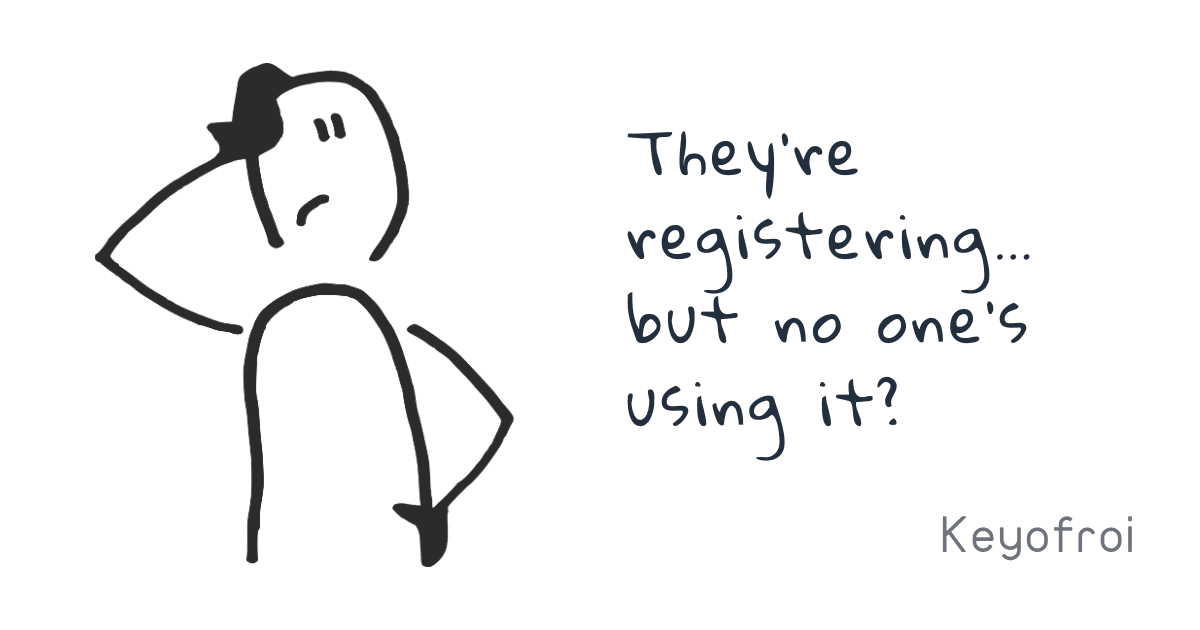
This may sound strange, but it is true. A user may subscribe monthly or yearly but never complete setup or use the product. While this reduces support and resource usage in the short term, it is not sustainable.
Monitoring post-conversion actions is critical. These actions vary by product:
Social media tools: connecting accounts, scheduling content
Analytics tools: completing website setup
Tracking these events helps identify real adoption and long-term value.
Content Marketing for SaaS
Compared to traditional e-commerce, SaaS often has an advantage in content marketing. Since SaaS products solve problems, they naturally generate content ideas.
SaaS blogs often rank well for technical and educational queries, especially with in-depth content. For example, a social media scheduling tool can cover topics like posting frequency or platform updates.
Starting content early and integrating sign-up or trial CTAs into blog content is important.
Static Pages for SaaS Businesses
Beyond blogs, SaaS websites often require long, detailed static pages. Comparison pages are common, even with tables highlighting differences and advantages.
Other useful pages include templates or cheat sheets. For example, social media tools often provide platform-specific size guides, which are valuable for marketers and support brand visibility.
Retention & Retargeting for SaaS
Retention is one of the biggest challenges for SaaS. Acquiring customers is important, but frequent cancellations make the business unsustainable.
Email Marketing
With proper consent, email campaigns can be used to:
Re-engage churned users with special offers
Inform existing users about updates and new features
Think of how streaming platforms communicate updates even after subscription.
Retargeting Ads
Retargeting churned users through display or social ads at low frequency can be effective and cost-efficient due to limited audience size.
Knowing the Persona & Target Audience
This may be the most important factor for SaaS marketing. Understanding market demand and audience expectations is critical.
For example:
Enterprise-focused products often require references, certifications, and compliance.
Startup-focused tools need simple onboarding and flexible pricing.
Audience knowledge also shapes conversion paths:
Enterprises may prefer “get a quote” or demo calls.
Startups may respond better to free trials without credit cards.
Knowing the audience also supports partnership and integration strategies. For instance, if users rely heavily on Slack, integrations or partnerships can become valuable growth channels.
Jan 9, 2026, 1:10 AM